 (626) 359-3937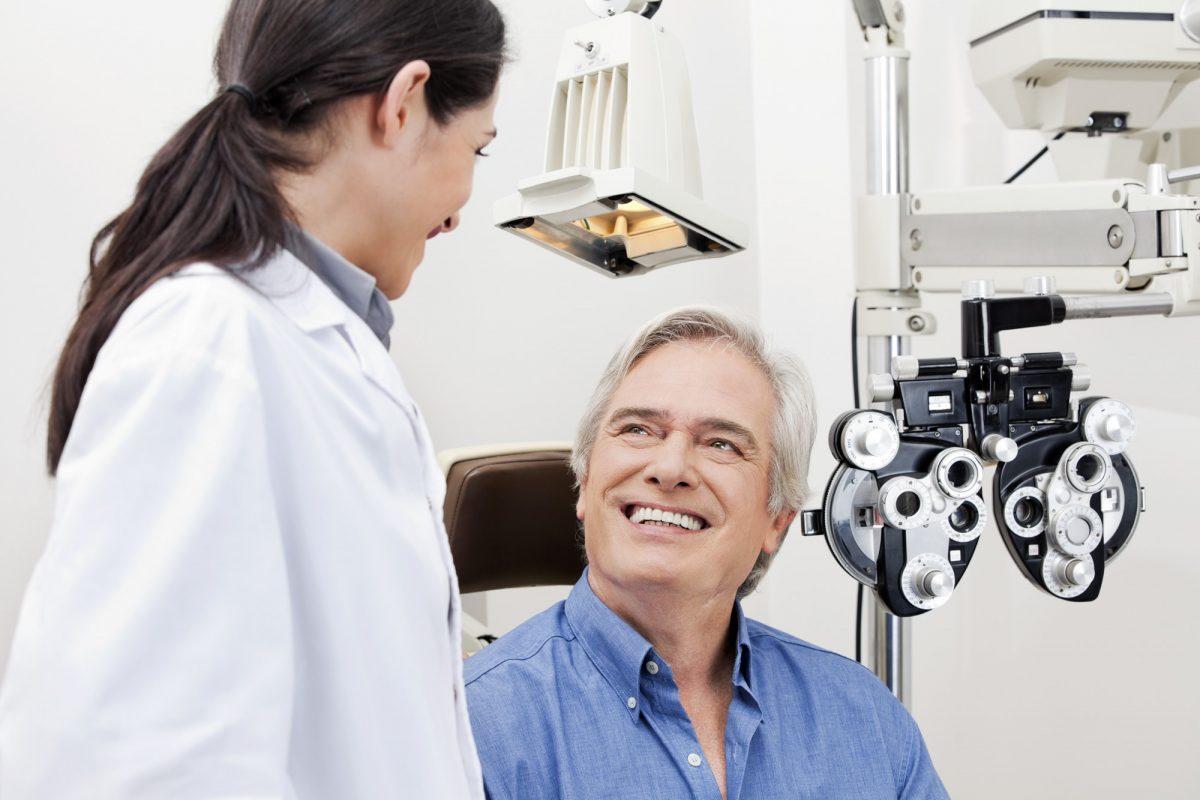
For millions of people who have spent years relying on glasses or contact lenses, the idea of waking up every morning with clear, sharp vision seems like a dream. Laser-assisted in situ keratomileusis, better known as LASIK, is a remarkable surgical procedure that has turned that dream into a reality for millions. It is the most popular type of refractive surgery designed to correct common vision problems like nearsightedness, farsightedness, and astigmatism. While the results can be life-changing, LASIK is not the right choice for everyone. The first step on any journey toward laser vision correction is a comprehensive consultation to determine if you are a good candidate.
How Does LASIK Work?
Your eye’s ability to focus depends on the shape of your cornea, which is the clear, dome-shaped outer layer of your eye. The cornea bends, or refracts, light rays so that they focus perfectly on your retina in the back of the eye. Vision problems like nearsightedness occur when the cornea’s shape is imperfect, causing the light to focus in front of or behind the retina, resulting in a blurry image.
LASIK surgery works by precisely reshaping your cornea with a cool-beam excimer laser.
- Creating the Flap: The surgeon first creates a very thin, hinged flap on the surface of the cornea. This is typically done with a highly precise laser called a femtosecond laser.
- Reshaping the Cornea: The flap is gently lifted, and an excimer laser, guided by a sophisticated computer that has been programmed with the exact measurements of your eye, removes a microscopic amount of corneal tissue. This reshaping process corrects the refractive error.
- Repositioning the Flap: The flap is then laid back down in its original position, where it acts like a natural bandage and begins to heal immediately without the need for stitches. The entire procedure for both eyes often takes less than 15 minutes.
Who is a Good Candidate for LASIK?
While the technology is incredible, not everyone is a suitable candidate for the procedure. A thorough consultation is needed to ensure you meet the criteria. Generally, a good candidate:
- Is at least 18 years old.
- Has had a stable vision prescription for at least one year.
- Has healthy eyes. You should not have any significant eye diseases like severe dry eye syndrome, advanced glaucoma, or keratoconus.
- Has thick enough corneas. The procedure removes a small amount of corneal tissue, so your corneas must be thick enough to allow for a safe and stable result.
- Has realistic expectations. LASIK has an extremely high success rate, but it’s important to have a clear understanding of the potential outcomes and risks.
The U.S. Food and Drug Administration (FDA), which regulates LASIK devices, provides extensive information for patients considering the procedure.
The Importance of a Co-Managed Consultation
The journey to better vision often involves a partnership between your primary eye doctor (your optometrist) and the LASIK surgeon. This is called co-management. Your trusted optometrist performs the initial consultation and all the pre-operative measurements to determine if you are a good candidate. They can then refer you to a reputable surgeon. After the surgery, you return to your optometrist for all of your post-operative care and follow-up visits. This model ensures you receive continuous, convenient care from the doctor you already know and trust. Many eye care professionals agree this collaborative approach provides the best possible patient experience.
Your Monrovia LASIK Consultation Experts
If you are tired of the daily hassle of glasses and contact lenses, it may be time to explore the life-changing benefits of LASIK. The first step is a comprehensive consultation. For residents in Monrovia, CA, the experienced team at Plaza Vision Optometry provides thorough LASIK consultations and co-management. Contact us today to find out if you are a candidate for laser vision correction.